AMOUNTS TESTED IN PEOPLE AND MICE
What CJC-1295 amounts measured without establishing treatment
CJC-1295 was tested for changes in growth hormone after shots. Researchers chose amounts to study hormone levels in people and mice. You'll see why those experiments don't give you use instructions.
On this page
What researchers gave adults and mice
CJC-1295 dosage studies mostly measured hormone changes in healthy adults. Researchers gave shots containing 30, 60, or 90 micrograms per kilogram [3][1]. The amounts depended on how much each person weighed. Micrograms measure tiny amounts, while kilograms measure your body weight.
The mice couldn't make the hormone that starts release and received 2 micrograms per shot. Researchers compared 24-, 48-, and 72-hour gaps between shots. The 24-hour gaps restored growth [4], while wider gaps helped less. You can't base a human treatment amount on those mouse results.
Outside trials, people quote 100-300 micrograms for the shorter Modified GRF 1-29 form. People also quote those amounts for CJC-1295/ipamorelin. The quoted amounts lack evidence from controlled human treatment trials. Your health needs aren't answered just because people repeat an online amount.
How staying in blood changes the timing concern
Adding DAC links CJC-1295 with a protein that leaves blood slowly. Together, the compound and protein weigh about 66 kilodaltons (units used for tiny substances). The weight describes the linked substance, rather than an amount for you. That larger joined substance stays in blood longer, without setting your dose.
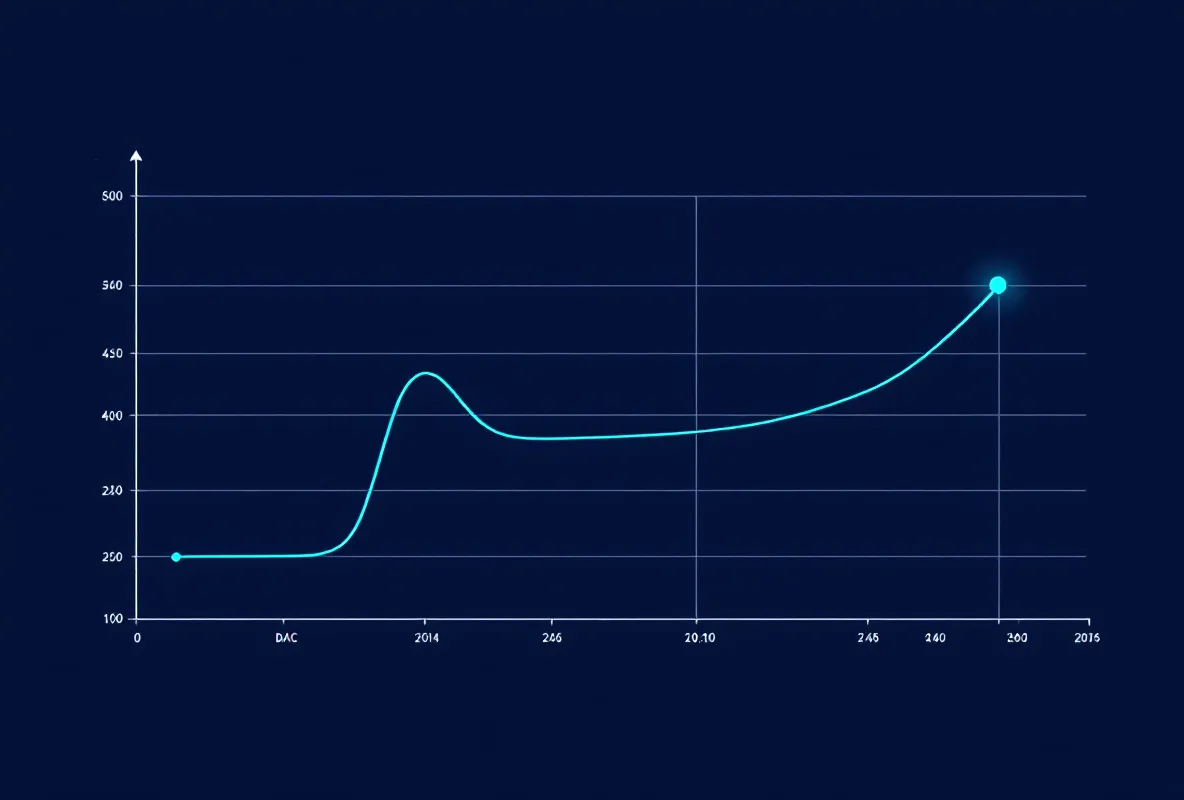
Healthy adults given repeated shots had a lasting hormone rise. Their liver's growth-supporting hormone remained raised up to 28 days after the shots [3]. That means a blood-test effect continued long after a shot. A safe schedule for treating you still hasn't been established.
Without the link, Modified GRF 1-29 has minutes to hours of action. In mice missing the natural release hormone, daily CJC-1295 restored growth [4]. Wider gaps between shots didn't restore growth as well. That result concerns mice lacking that hormone, rather than an amount for treating you.
What those numbers measured instead of better health
Researchers tested 30, 60, and 90 micrograms per kilogram each person weighed [3][1]. Researchers checked growth hormone and also the growth-supporting hormone produced in your liver. Think of measuring water pressure without checking whether a shower works better. You don't get an amount proved to improve someone's health from those tests.
Each shot for the mice contained the same 2-microgram amount [4]. Those mice couldn't make the hormone that starts release from the gland. Restoring their growth answered a question about that missing hormone. That amount doesn't establish what you can safely use.
CJC-1295 has no established treatment amount for healthy adults. CJC-1295 also has no established treatment use in that group. The 100-300 microgram amounts quoted outside trials don't answer either question. You can understand the study amounts without treating them as personal instructions.
Why CJC-1295 has no proved amount for healthy adults
Human studies gave 30, 60, or 90 micrograms per kilogram each person weighed [3][1]. Those were shots under the skin to measure hormone changes. Controlled trials haven't established the treatment amounts users share. CJC-1295 has no approved treatment use or established amount for healthy adults like you.
What CJC-1295 lab preparation describes
Reports describe dried powder made by freezing the compound and removing water. Laboratories add water containing a substance that slows bacterial growth, then refrigerate the mixture. Changed chain parts resist breakdown, while DAC prolongs action by joining a blood protein. Very little enters blood when swallowed, and these descriptions aren't preparation instructions for you.
Where researchers delivered CJC-1295 during tests
Researchers mainly gave people shots of the compound beneath the skin [3][1]. A related piece of hormone was delivered into a vein in earlier tests [7]. Those are descriptions of where researchers gave substances during studies. The location alone doesn't tell you how to inject the compound safely.